

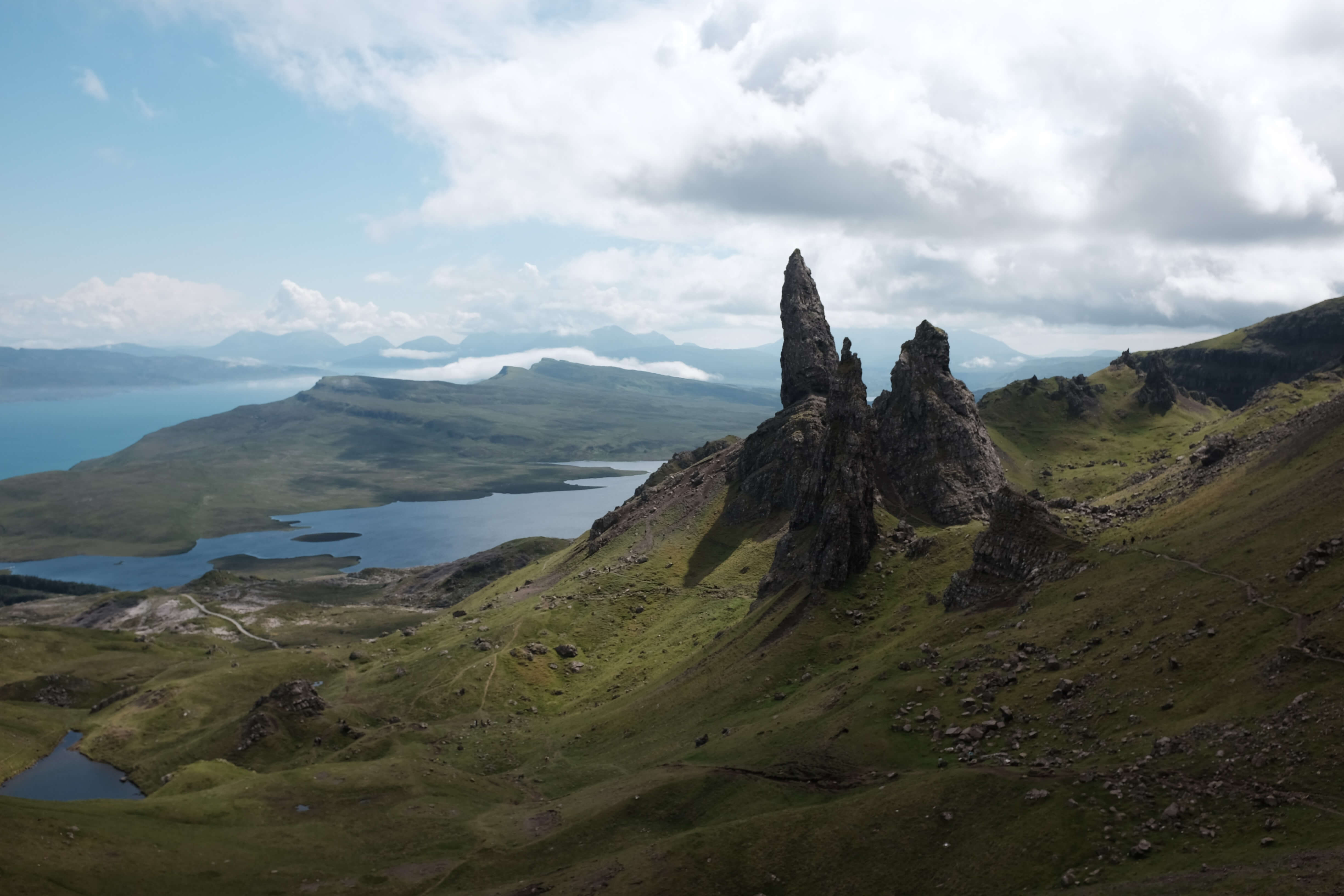
The United Kingdom may be renowned for its rolling hills and misty moors, but its rugged northern landscape tells a more dramatic story. Hidden in the Highlands of Scotland are five towering peaks that define the nation’s geography and spirit. From the mighty Ben Nevis to the elegant slopes of Aonach Beag, these mountains represent the pinnacle of British natural beauty — a magnet for climbers, hikers, and dreamers alike.
Introduction
The United Kingdom’s topography is dominated by Scotland’s majestic Highlands, home to the five highest mountain peaks in the British Isles. These mountains — Ben Nevis, Ben Macdui, Braeriach, Cairn Toul, and Aonach Beag — form part of an ancient geological story, shaped by glaciers and time into breathtaking ridges, plateaus, and corries. Their Gaelic names often describe their appearance or character, connecting modern visitors with Scotland’s linguistic and cultural past.
Each mountain offers a unique experience, from snow-lined cliffs and sweeping views to tranquil valleys alive with wildlife. Whether you’re an experienced mountaineer or a casual nature enthusiast, these peaks encapsulate the rugged allure of the Highlands, where weather, wilderness, and history converge to create some of Britain’s most extraordinary landscapes.
1. Aonach Beag — The Fair Ridge of Lochaber
Height: 1,234 metres (4,049 feet)
Location: Nevis Range, near Fort William, Scotland

Despite its name meaning “Small Fair Ridge,” Aonach Beag ranks among the highest peaks in the British Isles. Located within the Nevis Range, it offers extraordinary views across Glen Nevis and Ben Nevis. Hikers often reach its summit by taking the Gondola lift from the Nevis Range Ski Centre, which cuts the climb considerably. The mountain’s northern face contains Scotland’s longest-lasting snow patches, making it a favourite for photographers and snow enthusiasts alike.
Did You Know?
Aonach Beag and its neighbour Aonach Mòr form a pair — “big” and “small” ridges — but ironically, Aonach Beag is the higher of the two.
Fact File
- Height Rank: Fifth-highest in the UK
- Accessibility: Via Nevis Range Gondola
- Landscape: Alpine-style ridge and snowfields
- Ideal Season: Late spring through early autumn
2. Cairn Toul — The Hill of the Barn
Height: 1,291 metres (4,235 feet)
Location: Western Cairngorms, overlooking Lairig Ghru

Cairn Toul, meaning “Hill of the Barn,” is the fourth-highest mountain in Scotland. Its steep slopes and remoteness make it a favourite among experienced mountaineers. Many combine Cairn Toul with nearby summits such as The Devil’s Point and Sgòr an Lochain Uaine (The Angel’s Peak). The route from Corrour Bothy through the Lairig Ghru is particularly popular, offering a demanding yet spectacular trek through classic Highland wilderness.
Did You Know?
The mountain’s Gaelic name likely refers to a shieling or seasonal barn once used by shepherds, illustrating how human life once intertwined with this remote terrain.
Fact File
- Gaelic Meaning: “Hill of the Barn”
- Nearby Peaks: The Devil’s Point, The Angel’s Peak
- Access Point: Corrour Bothy or Glen Feshie
- Landscape Type: Rugged, rocky, and remote
3. Braeriach — The Crescent of the Cairngorms
Height: 1,296 metres (4,252 feet)
Location: Western Cairngorms, Highland region

The third-highest mountain in the UK, Braeriach forms the western edge of the Cairngorm range. Its distinctive crescent-shaped ridge encircles Coire Bhrochain, a deep glacial bowl often filled with late-season snow. Climbers usually approach from the Sugarbowl car park via the Chalamain Gap, an impressive boulder field leading toward the mountain’s ridge. Braeriach’s panoramic views and solitude make it one of the most rewarding ascents in the Highlands.
Did You Know?
Braeriach hosts one of the last remaining year-round snow patches in Britain, sometimes persisting through entire summers — a rare phenomenon south of the Arctic Circle.
Fact File
- Name Origin: Gaelic for “The Grey Upland”
- Notable Feature: Deep corries and crescent ridge
- Geological Significance: Formed by repeated Ice-Age glaciation
- Popular Route: Chalamain Gap → Lairig Ghru → Summit Ridge
4. Ben Macdui — The Cairngorm Giant
Height: 1,309 metres (4,295 feet)
Location: Boundary of Moray and Aberdeenshire, Cairngorms National Park

Ben Macdui is the second-highest mountain in the UK and the highest point of the Cairngorm plateau. Climbers typically start from Coire Cas car park at the Cairngorm Ski Centre. Its summit offers expansive views over the Lairig Ghru, Braeriach, and the vast wilderness of the National Park. Mists and sudden temperature drops make Ben Macdui both enchanting and eerie.
Did You Know?
Many climbers report sensing the presence of the “Grey Man of Macdui”, a legendary spirit said to haunt the mountain and cause feelings of being watched — a tale that has become part of Scottish folklore.
Fact File
- Gaelic Meaning: “MacDuff’s Hill” or “Hill of the Black Pig”
- Summit Terrain: Boulder-strewn plateau
- Access Route: From Cairngorm Ski Centre (Coire Cas)
- Viewpoints: Loch Avon Basin and the Cairngorm Massif
5. Ben Nevis — The Highest Peak in the British Isles
Height: 1,345 metres (4,413 feet)
Location: Near Fort William, Lochaber, Scotland

Ben Nevis, affectionately known as The Ben, is the tallest mountain in the United Kingdom. Rising dramatically above Fort William, it is a magnet for adventurers year-round. The Pony Track provides the most accessible route, while expert climbers favour the North Face, a world-class climbing wall famous for its icy challenges. At the summit, walkers can still see the remnants of a 19th-century observatory built to study mountain weather patterns.
Did You Know?
Ben Nevis was once a massive active volcano that collapsed inward following an ancient eruption — making the current peak the core of that volcano.
Fact File
- Region: Grampian Mountains
- First Ascent: 1771 by James Robertson
- Common Wildlife: Golden eagles, red deer, ptarmigan
- Climbing Season: May to September (most popular)
FAQs
1. Which is the highest mountain peak in the United Kingdom?
The highest mountain in the United Kingdom is Ben Nevis, standing at 1,345 metres (4,413 feet) above sea level. Located near Fort William, it forms part of the Grampian range in the Scottish Highlands. Its well-marked trails attract thousands of hikers each year, while experienced climbers test their skills on the North Face. The summit offers breathtaking views stretching across the Highlands and even out to the Hebrides on clear days.
2. How difficult is it to climb the UK’s highest peaks?
The difficulty varies by mountain and route. Ben Nevis’s Pony Track is manageable for fit beginners, while Cairn Toul and Braeriach demand more stamina and navigation skills. Weather is a key factor, as conditions can change rapidly in the Highlands. Proper preparation, sturdy footwear, and navigation tools are essential. Climbers should always check forecasts and consider guided treks for safety, particularly in winter when ice and fog increase risk.
3. What is the best time of year to visit these Scottish peaks?
The ideal time to explore the UK’s highest mountains is between May and September, when daylight lasts longer and temperatures are milder. During this period, most trails are free from heavy snow, and visibility is clearer. Winter ascents are possible but require mountaineering experience and equipment due to ice and unpredictable storms. Spring and early autumn also offer fewer crowds, vibrant landscapes, and opportunities for wildlife photography in calmer conditions.
4. Are these mountains only for experienced climbers?
Not necessarily. While peaks like Cairn Toul and Braeriach cater to seasoned hikers, mountains such as Ben Nevis and Aonach Beag have routes suitable for less experienced walkers. The Nevis Range Gondola allows easier access to Aonach Beag’s upper slopes, and guided walks are available for beginners. However, preparation and awareness of changing weather are vital, as even gentle routes can become challenging under adverse conditions in the Scottish Highlands.
5. What makes the Scottish Highlands unique for mountain climbing?
The Scottish Highlands offer a blend of dramatic landscapes, geological history, and cultural depth rarely found elsewhere in Britain. Climbers encounter expansive moorlands, crystal-clear lochs, ancient Gaelic place names, and abundant wildlife. Peaks such as Ben Macdui and Braeriach reveal remnants of the last Ice Age, while the region’s remoteness ensures a sense of solitude. The Highlands’ combination of natural beauty, challenge, and tranquillity makes it a truly world-class mountaineering destination.
Conclusion
The five highest mountains in the United Kingdom form a chain of natural wonders that speak to the timeless spirit of Scotland’s Highlands. From the commanding heights of Ben Nevis to the peaceful slopes of Aonach Beag, these summits blend geological power with cultural heritage. Together, they shape an environment of wild beauty that continues to inspire adventure and awe.
For mountaineers, these peaks represent challenge and triumph; for travellers, they offer tranquillity and grandeur. Visiting them is more than a climb — it’s a journey into the heart of the British landscape, where history, language, and nature intertwine beneath an endless Highland sky.




 in London.