

Introduction
Customer expectations continue to evolve as businesses look for smarter ways to improve service delivery, reduce friction, and create more engaging customer experiences. Across sectors such as retail, hospitality, healthcare, leisure, and transport, organisations are increasingly adopting digital solutions to enhance convenience and support operational performance.
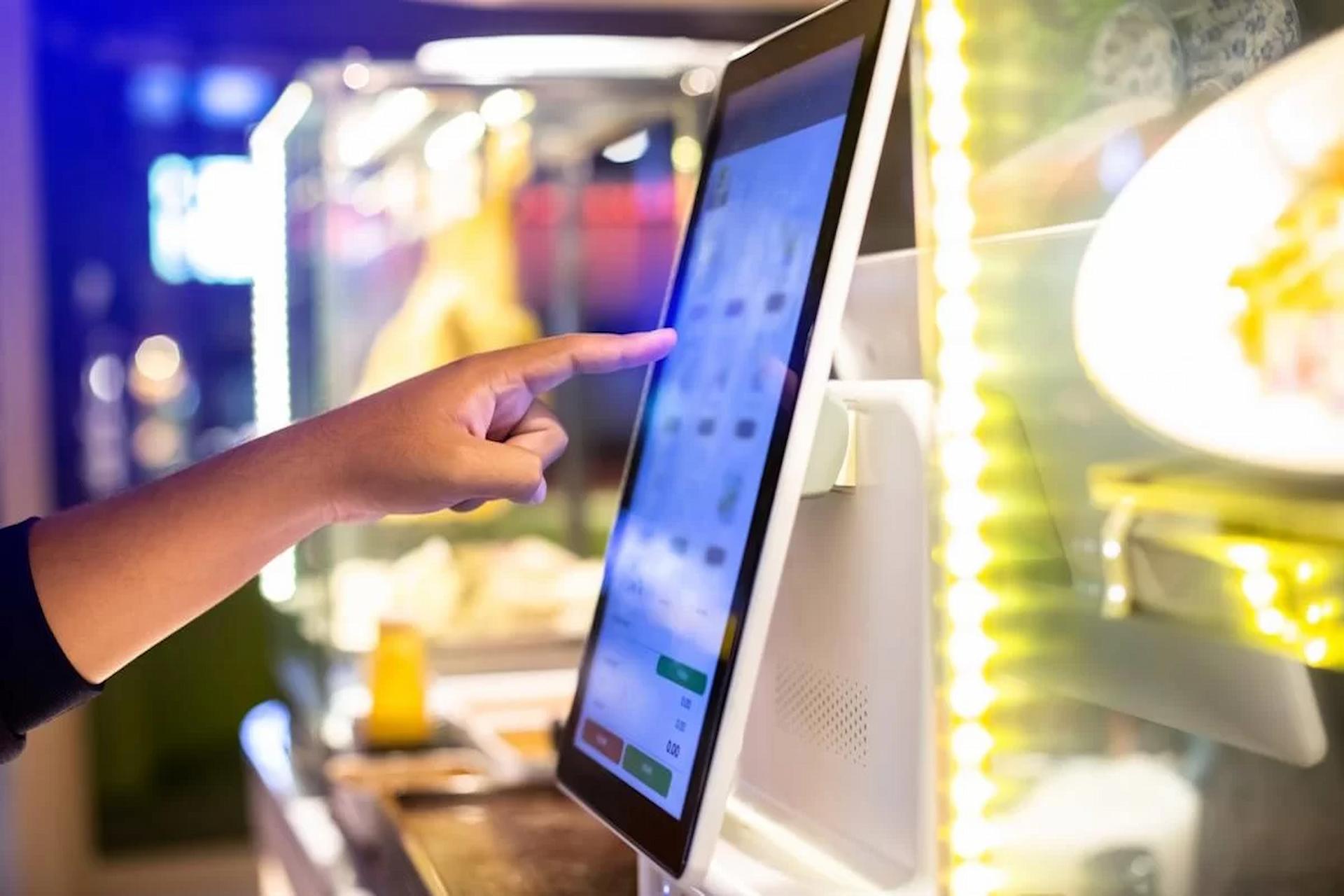
One of the technologies seeing continued growth is self-service kiosks. Through interactive technology, intuitive design, and customer-focused digital experiences, businesses are creating environments that allow users to complete tasks more independently and efficiently.
Companies such as Evoke Creative support organisations in developing self-service kiosk solutions that improve customer journeys while helping businesses operate more effectively.
As customer expectations become increasingly shaped by speed and convenience, self-service kiosks are becoming an important part of modern commercial environments.
1. Improving Customer Convenience and Reducing Waiting Times
One of the biggest reasons businesses invest in self-service kiosks is to create faster and more convenient customer experiences.
Customers increasingly expect quick access to services without long queues or unnecessary delays. Whether ordering products, checking in, browsing information, or completing payments, convenience has become an important driver of customer satisfaction.
Self-service kiosks help businesses improve this experience by offering:
- Faster service delivery
- Reduced queue congestion
- Greater customer flexibility
- Improved accessibility
Allowing customers to complete actions independently often leads to smoother, more efficient interactions.
For high-traffic environments, this improvement can significantly influence overall customer perception.
2. Supporting More Efficient Business Operations
Operational efficiency remains a major priority across modern businesses.
As customer demand increases, organisations must find ways to maintain service standards without creating additional operational pressure.
Self-service kiosks improve efficiency by automating routine interactions and allowing employees to focus on higher-value activities.
Operational improvements may include:
- Faster transaction handling
- Reduced administrative workload
- Improved service consistency
- Better allocation of staff resources
Rather than replacing employees, kiosks often support teams by creating more balanced service environments.
This helps businesses improve productivity while maintaining the quality of the customer experience.
3. Creating Stronger Customer Engagement
Digital interactions increasingly influence how customers perceive brands.
Self-service kiosks create direct opportunities for businesses to engage users in a more interactive and personalised way.
Well-designed kiosk experiences can strengthen engagement through:
- Intuitive navigation
- Consistent brand presentation
- Clear communication
- Responsive user experiences
Customers who feel comfortable using digital systems are often more likely to engage positively and return in the future.
This makes kiosk technology valuable not only from an operational perspective but also as part of broader customer experience strategies.
4. Supporting Connected Customer Journeys
Modern customer journeys rarely happen through a single channel.
Consumers regularly move between websites, mobile devices, physical locations, and digital platforms before completing purchases or interactions.
Businesses increasingly invest in self-service kiosks because they help connect these experiences more effectively.
Kiosk environments can support:
- Integrated customer experiences
- Consistent branding across channels
- Easier access to services
- More seamless transitions between digital and physical environments
Creating connected journeys helps reduce friction and improve overall satisfaction.
Customers increasingly expect this level of continuity when interacting with brands.
5. Creating Scalable Growth Opportunities
As businesses expand, maintaining service quality becomes increasingly challenging.
Self-service kiosks provide additional service capacity without requiring proportional increases in operational resources.
This creates opportunities to support growth while maintaining customer expectations.
Long-term business advantages may include:
- Greater operational flexibility
- Improved service scalability
- Better customer flow management
- Stronger long-term efficiency
Businesses that invest in scalable digital experiences are often better positioned to adapt to changing customer behaviour and future growth opportunities.
Conclusion
Businesses are increasingly investing in self-service kiosks because they provide practical benefits across customer experience, operational efficiency, and long-term growth.
By creating faster, more convenient, and more connected interactions, self-service technology helps organisations meet changing expectations while improving overall business performance.
With expertise in digital interaction and customer-focused design, Evoke Creative continues to help businesses create kiosk solutions that enhance customer journeys and drive long-term commercial success.





 in London.