

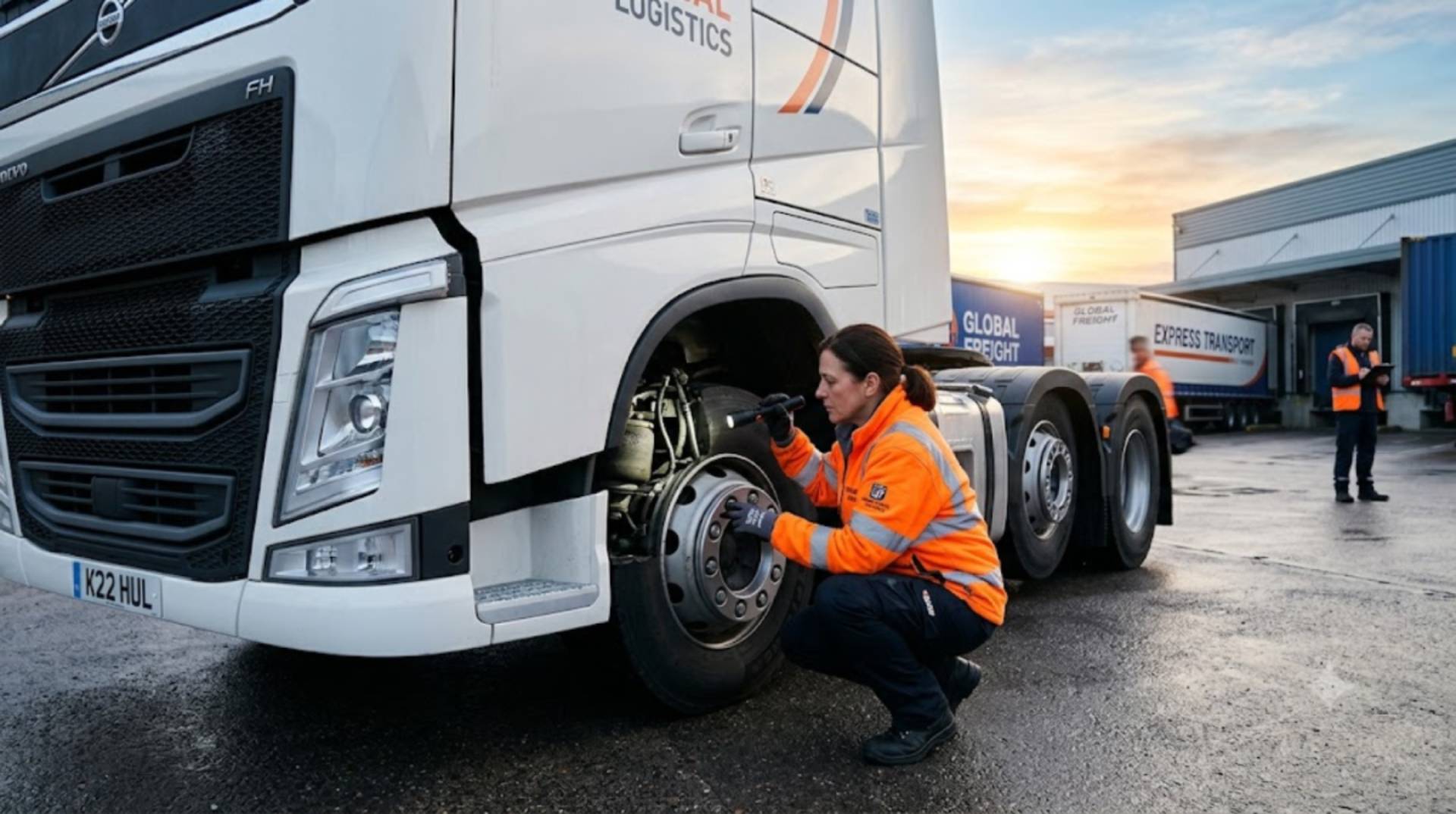
Travel any motorway or A-road in Britain and you’ll notice an endless chain of HGVs (heavy goods vehicles). Road transport carries the large majority of domestic freight tonnage moved within Great Britain, according to Department for Transport figures, filling supermarket shelves and supplying construction firms with the materials they need for projects across the country.
HGVs are not merely a logistical challenge. They also present legal and safety complications. The Traffic Commissioners and UK government continue to tighten the regulatory framework around how these vehicles are used, so transport operators need to understand it to stay in business and remain compliant.
The challenge of holding an operator’s licence
Holding an operator’s licence (often called an ‘O-licence’) in the UK is no small undertaking. Transport managers have to build compliance into daily business operations, and in Britain, traffic commissioners grant these licences based on several criteria:
Professional competence
A good reputation
Financial standing
The reason for this rigour is the danger HGVs pose on the road. Because they are so large, they have the potential to cause devastation and put lives at risk if they’re involved in accidents. That’s why UK authorities apply high standards and continually check and test HGV operators to ensure they’re meeting their requirements.
The need for a transport manager
Businesses must have a professionally competent transport manager to meet national and international operator licence requirements. This person is legally responsible for ensuring transport fleets operate according to British law.
Their daily responsibilities are wide-ranging and include:
Keeping records of all vehicle maintenance operations and driving hours
Scheduling preventive and proactive vehicle maintenance
Managing drivers and ensuring they hold the correct licences
Monitoring drivers and fleet vehicles to ensure continuing compliance
Keeping proper records for potential audits by the DVSA
Demonstrating compliance
Transport managers need to demonstrate compliance with the law, and they can’t do that with a CV alone, however many years of driving and management experience it shows. The law requires a formally recognised qualification, which is why obtaining an accreditation such as a Transport Manager CPC Road Haulage qualification is essential. The Certificate of Professional Competence (CPC) syllabus covers the legal framework that HGV drivers and fleet operators must work within.
Passing CPC examinations proves to traffic commissioners that staff have sufficient training to operate fleets and vehicles safely. It raises the overall standard of safety across the industry and reduces the risk of catastrophic accidents.
The costs of non-compliance
Failing to comply with HGV rules and regulations can be expensive. One consequence is curtailment, where authorities reduce the number of vehicles you’re allowed to run as an operator. They may also suspend you from operating any vehicles through a temporary ban, or revoke your operator’s licence entirely, shutting down your haulage business.
Make compliance someone’s job, not an afterthought
The goal for any haulage business should be a competent, well-trained transport manager. Their role goes beyond ticking compliance boxes: they keep drivers safe, keep vehicles properly maintained, help control insurance premiums and protect the business from the reputational damage a single serious incident can cause.





 in London.