


Europe is home to some of the most beautiful and varied beaches in the world. You can find quiet Mediterranean bays, long sandy shores, clear blue water and dramatic coastlines shaped by cliffs and rocks. Each destination offers something different, whether you want to swim, relax in the sun, take coastal walks or simply enjoy the views.
From Portugal and Spain to Greece, Croatia, Italy and Iceland, many of the best beaches in Europe are worth planning a trip around. Some are ideal for families, while others are better suited to couples, photographers or travellers looking for peaceful surroundings. Here are ten European beaches that deserve a place on your travel bucket list.
Praia da Marinha, Portugal
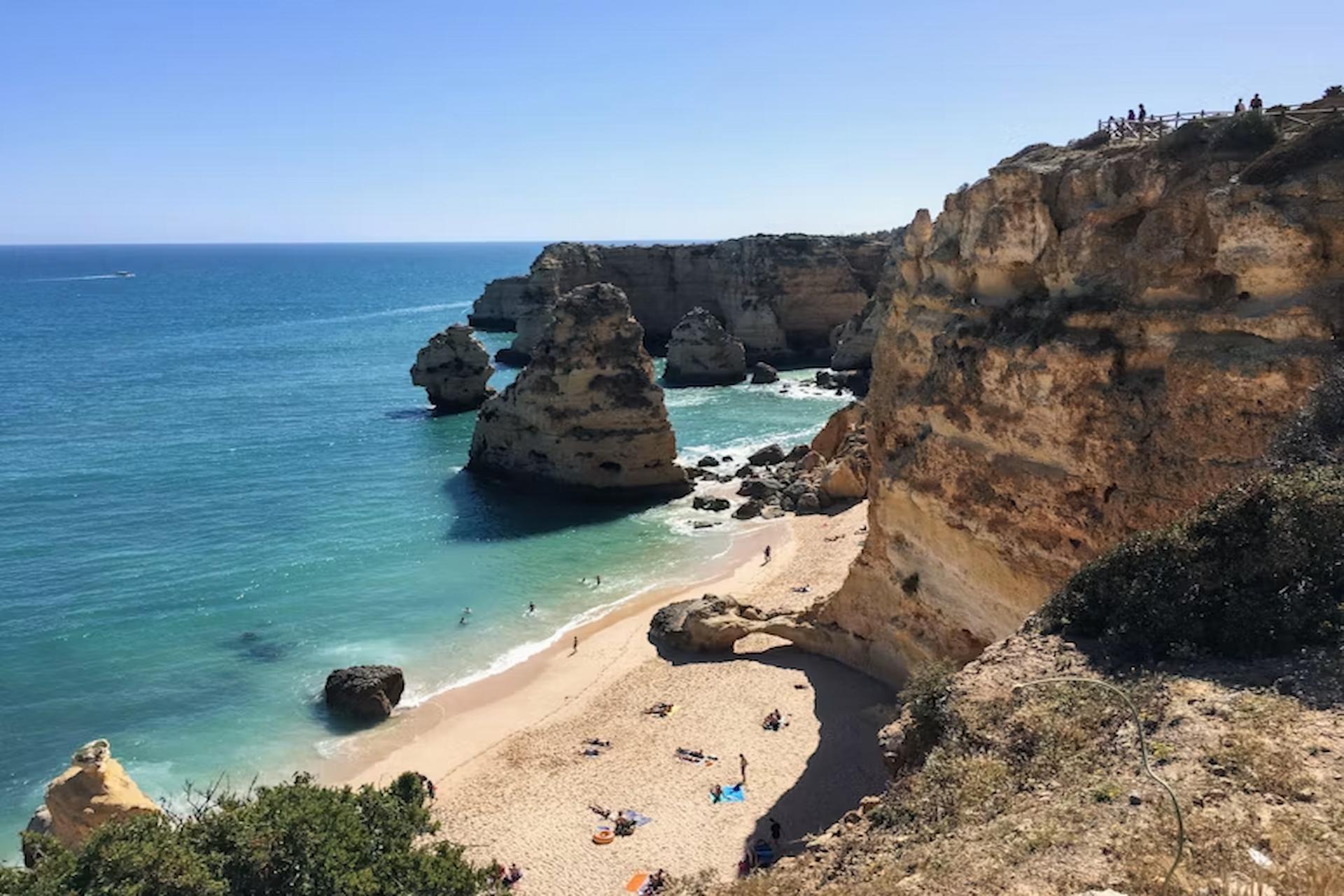
Praia da Marinha is one of the top European beach destinations for travellers who enjoy dramatic coastal scenery. Along Portugal’s Algarve coast, it is known for golden cliffs, clear water, and natural rock formations, with especially impressive views from the clifftop paths above.
Visitors can spend a few hours swimming or relaxing before exploring the nearby coastline.
Why visit Praia da Marinha?
- Clear water for swimming
- Beautiful limestone cliffs
- Excellent coastal viewpoints
- Peaceful atmosphere outside peak summer
The beach is reached by steps, so comfortable footwear is useful. Visiting earlier in the morning can also help you avoid the busiest crowds.
Zlatni Rat, Croatia
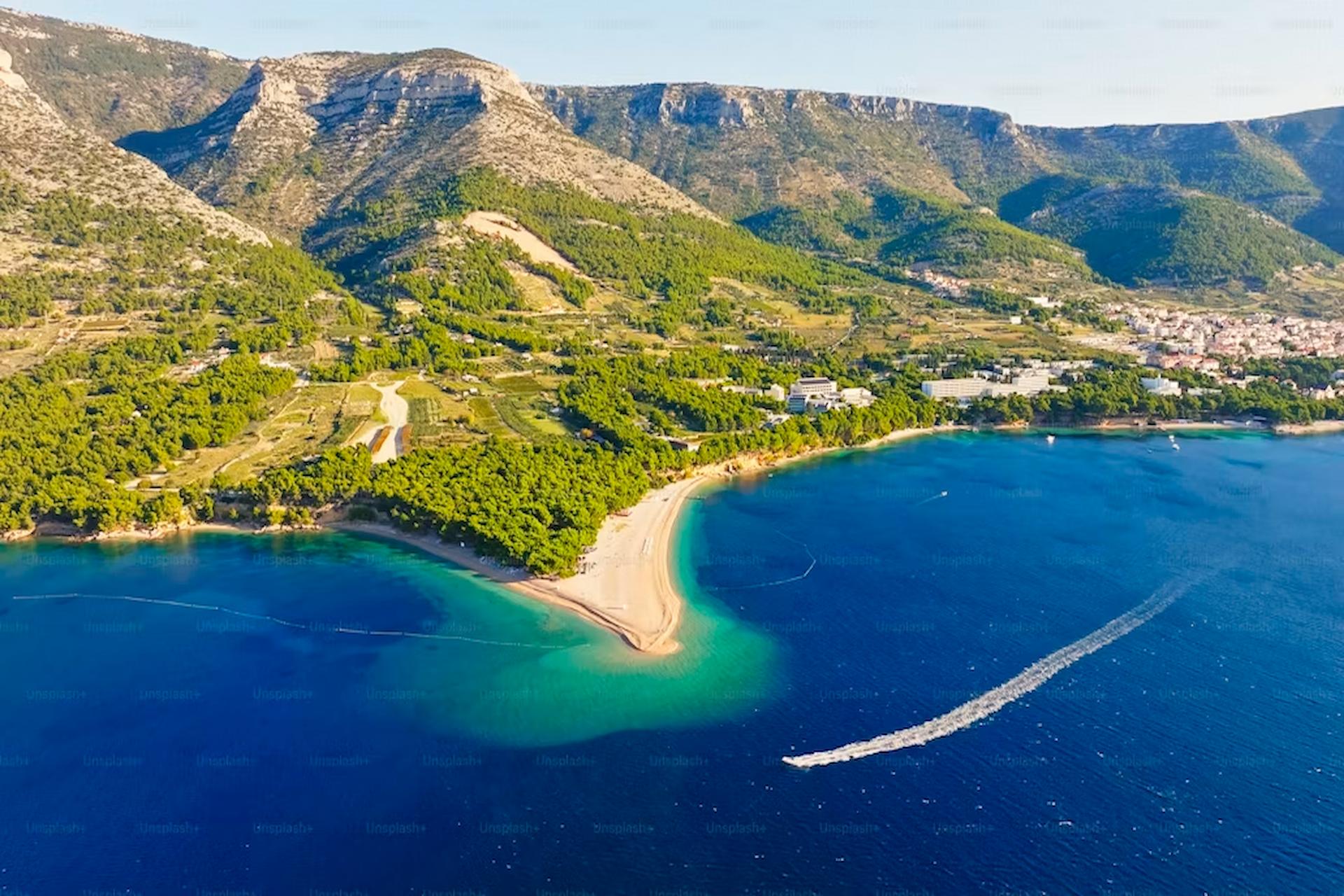
Zlatni Rat is located near Bol on the island of Brač and is an easy addition to a Europe beach bucket list. Its long pebble beach stretches into the Adriatic Sea, creating a distinctive shape that can change slightly with wind and sea conditions. It is a good choice for travellers who enjoy both swimming and water sports.
Popular activities include:
- Swimming in clear Adriatic water
- Windsurfing
- Paddleboarding
- Walking along the coast
- Relaxing beneath nearby pine trees
Bol is close enough to provide plenty of cafés, restaurants and places to stay, making Zlatni Rat easy to include in a longer Croatian holiday.
Elafonissi Beach, Crete
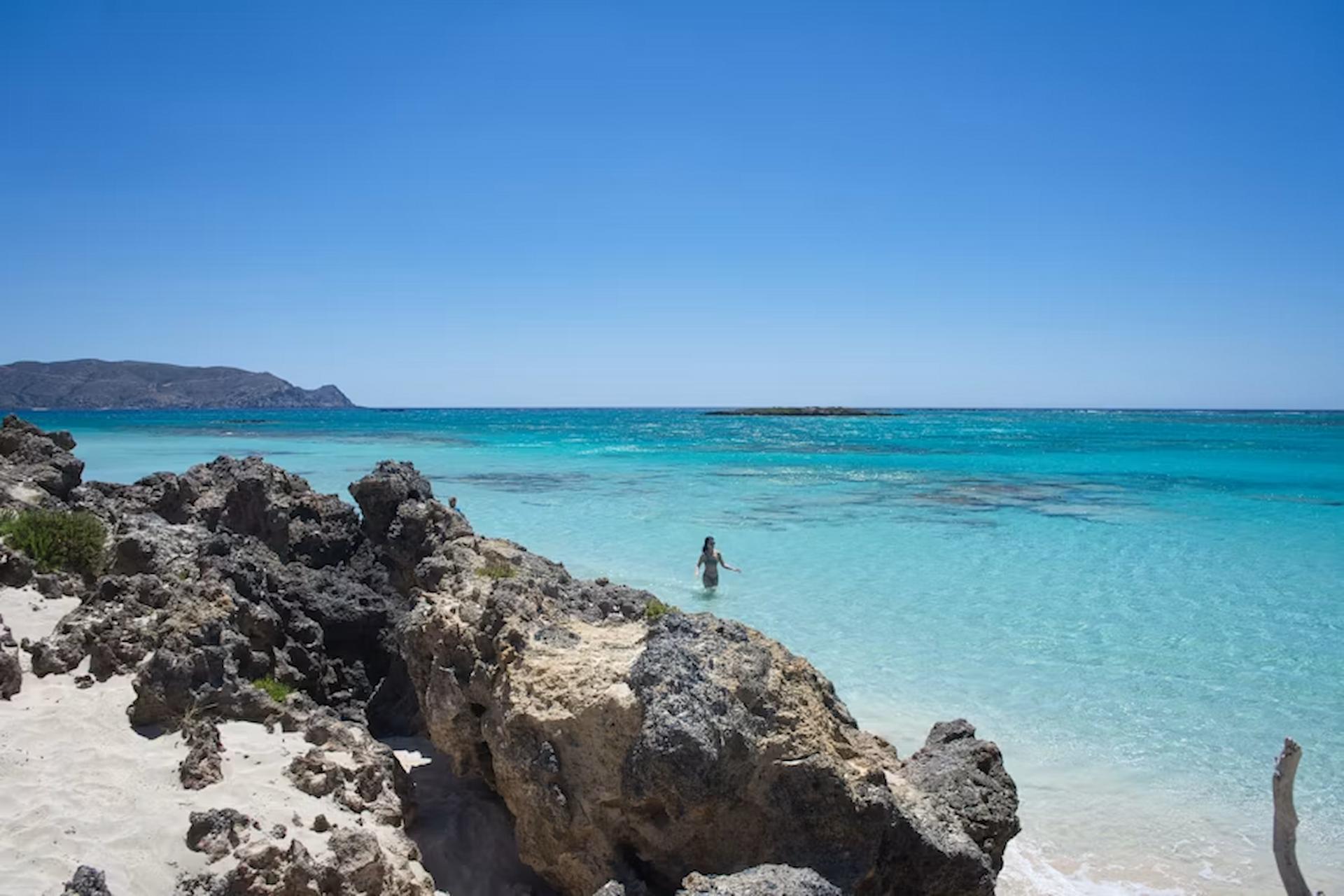
Elafonissi is one of Crete’s best-known beaches. Its shallow turquoise water and pale sand create a calm setting that works well for families and casual swimmers.
Some areas of the sand can appear pink because of tiny pieces of shell. The surrounding dunes and natural landscape are protected, so visitors should avoid taking sand or shells home.
Summer can be busy, especially during the middle of the day. Arriving early gives you more space and makes it easier to enjoy the beach before larger groups arrive.
Ses Illetes, Formentera
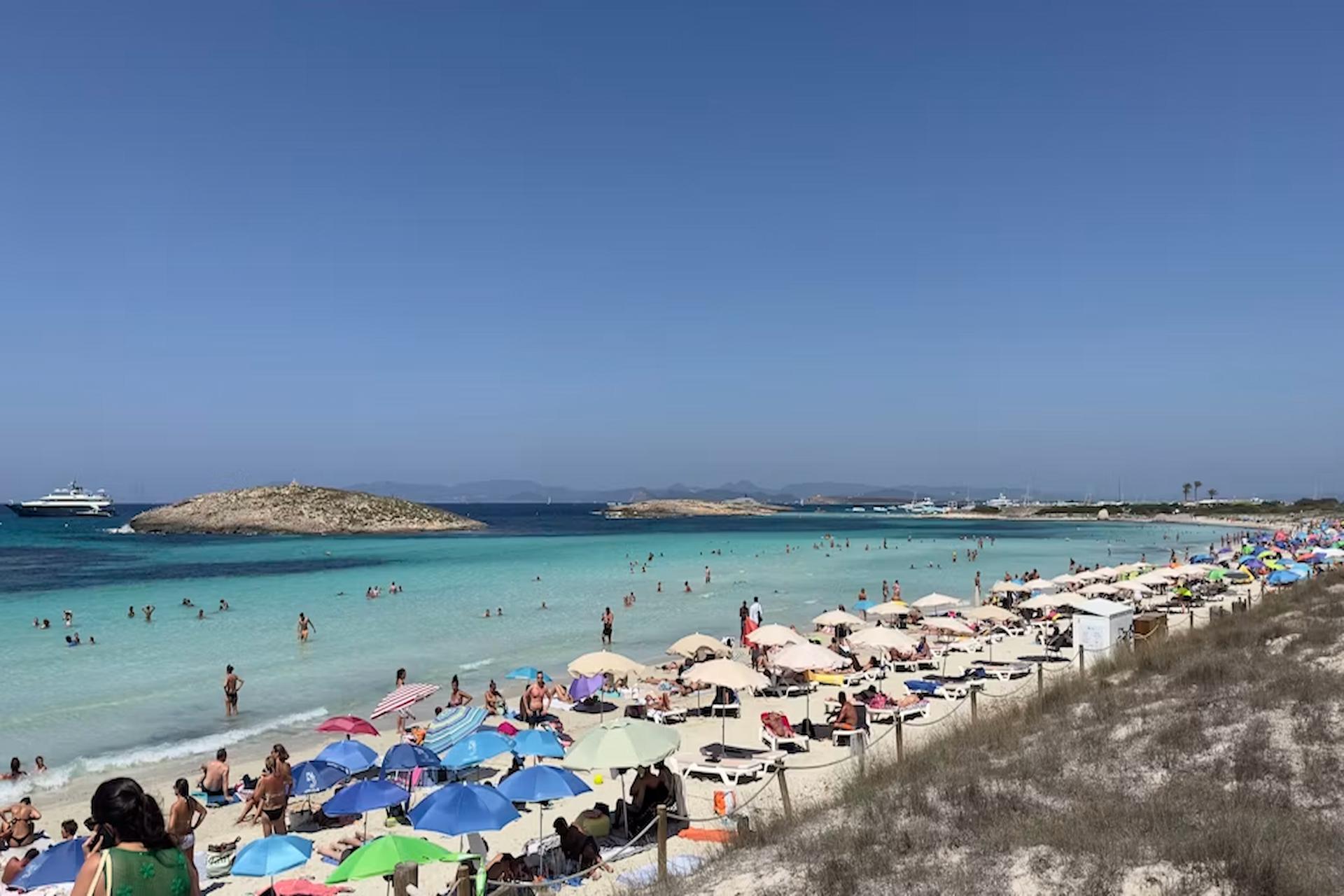
Ses Illetes is a standout example of the beautiful beaches across Europe, with pale sand, clear blue water and an open coastal setting. It sits on the northern side of Formentera, a small Spanish island near Ibiza.
The sea is often calm, making it attractive for swimming and relaxing.
What makes Ses Illetes worth visiting?
- Soft, pale sand
- Clear Mediterranean water
- Calm swimming conditions
- Protected natural surroundings
- Beautiful sunset views
Formentera is quieter than nearby Ibiza, which can make it a better option for travellers who want a slower beach holiday.
Palombaggia Beach, Corsica
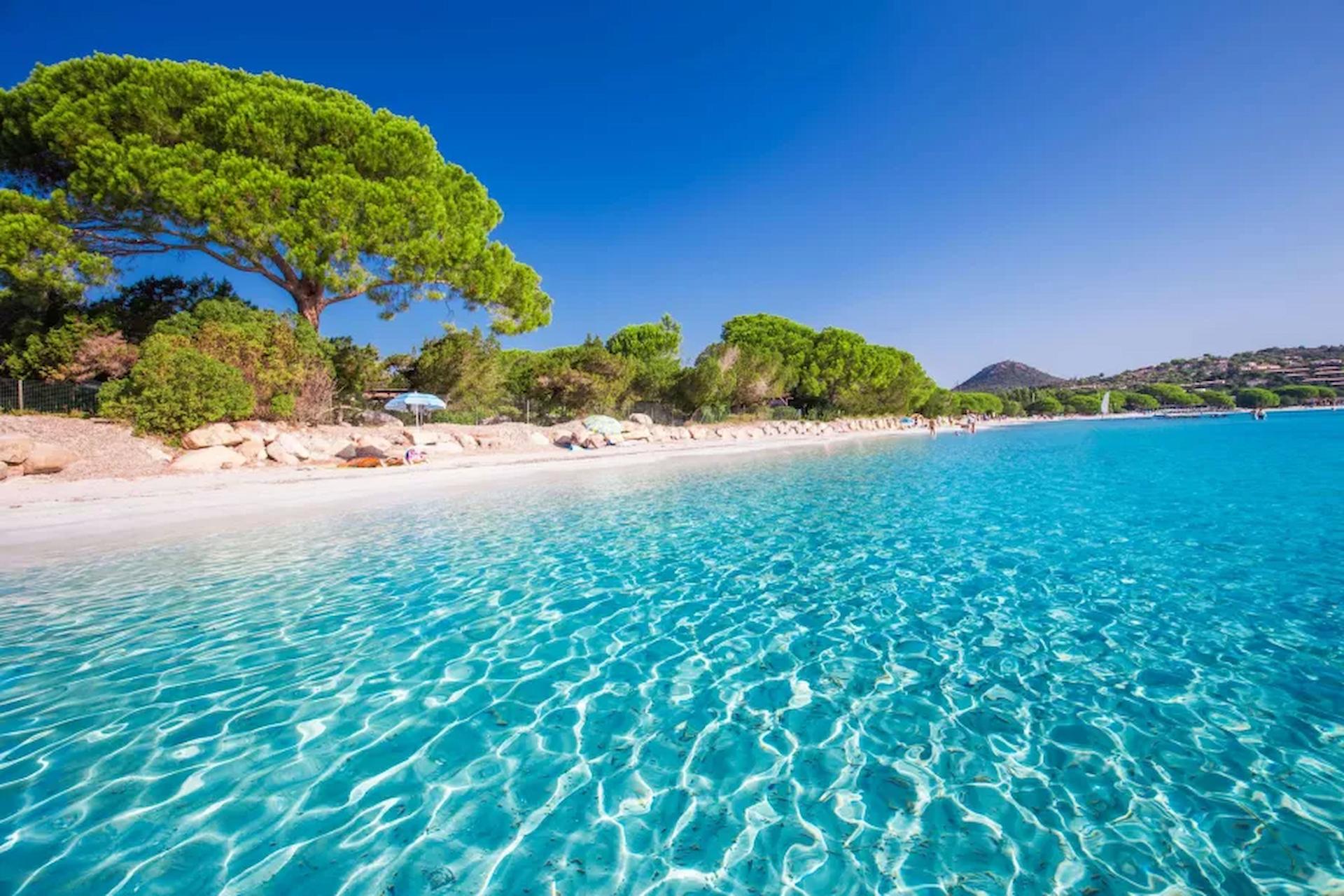
Palombaggia is one of Corsica’s most popular beaches. Fine sand, red rocks and tall pine trees give the coastline a relaxed appearance.
The water close to shore is often shallow, making the beach popular with families. Trees around the beach can provide some shade during hotter parts of the day.
Palombaggia becomes busy during July and August, so visiting outside peak hours can make the experience more comfortable.
Which European Beach Should You Choose?
The right beach depends on what you want from your holiday. Elafonissi and Ses Illetes are good options for clear water and relaxed swimming. Kynance Cove and Reynisfjara suit travellers who prefer dramatic scenery.
Cala Goloritzé is better for active travellers, while La Concha works well if you want restaurants and city attractions close to the beach.
Check local weather, transport, access rules and sea conditions before travelling.
What to Check Before You Go
Before visiting any beach, check:
- Local weather and sea conditions
- Tide times where relevant
- Parking and public transport
- Beach access and walking requirements
- Seasonal facilities
- Local safety warnings
- Protected-area rules
A little planning can make a major difference, especially at remote coves and beaches with changing tides or strong waves.
Beach FAQs
Spain, Portugal, Greece, Italy, Croatia and France all have excellent beach destinations with plenty of choices for different budgets and travel styles.
June and September are often good months because the weather remains warm in southern Europe while crowds can be smaller than in July and August.
Elafonissi and Palombaggia can suit families because parts of their shorelines have relatively shallow water.
Which European Beach Has the Most Unusual Scenery?
Reynisfjara stands out because of its black volcanic sand, basalt columns and dramatic Icelandic coastline.
Are All European Beaches Sandy?
No. Europe has sandy beaches, pebble beaches, rocky coves and volcanic shores. The type of coastline varies greatly between countries and regions.
Conclusion
The best European seaside destinations offer far more than the usual beach holiday. From the clear waters of Greece and Spain to the dramatic shores of Iceland and Cornwall, each destination has its own character and appeal. The right choice depends on whether you prefer swimming, quiet surroundings, coastal walks or impressive scenery.
Before planning your visit to any of the best beaches, check the local weather, sea conditions and access information for the beach you choose. With the right planning, any of these European beaches can become one of the most memorable parts of your trip.




 in London.